This summer brought a wave of travelers, watch parties, and home gatherings. Restaurants stayed busy across the country. According to the National Restaurant Association’s 2026 Summer Travel & Dining Trends report, 98 percent of summer travelers used restaurants during their trips. That included sit-down meals, takeout, and quick coffee or ice cream stops.
That pattern doesn’t end when summer does. It just moves to the next occasion on the calendar. Football season, Halloween, Thanksgiving, and the holiday party season are barreling toward Q4. The restaurants that win each of these windows aren’t scrambling once the rush hits. They used data from the last surge to prep for the next one. Here’s what the summer data showed, what’s coming next, and how to get ahead of it.
What Happened This Summer
More than half of adults, 55 percent, took at least one overnight trip within the U.S. Younger adults, families with children, and higher-income households traveled the most. Once travelers arrived, dining out was their top activity. It ranked ahead of shopping, sightseeing, and even the beach. Home gatherings drove just as much traffic. Nearly 9 in 10 adults attended a gathering like a cookout, reunion, or holiday get-together. Among that group, 79 percent included a restaurant-prepared item, from appetizers to desserts. Sporting events added another layer. Roughly one-third of adults attended or would have attended a restaurant watch party for a major summer soccer tournament. Turnout was especially strong among younger adults and families with kids.
What’s on the Calendar Next
Football season (NFL and college) kicks off a run of high-traffic occasions: game days every weekend through January, Halloween, Thanksgiving takeout and catering, and a full slate of holiday parties and year-end gatherings in November and December. Each one behaves like the watch-party and home-gathering demand the summer report already measured. Expect the same appetite for game day and the holidays, at a bigger scale.
Get ahead of it: Build a promotional calendar now for the next 90 days, covering game-day specials, Thanksgiving pre-order windows, and holiday catering packages, instead of reacting once demand is already at the door.
What Guests Expect When They Walk In
Convenience and affordability were the top priorities for summer diners, cited by 90 percent of travelers, and 70 percent actively looked for specials or value promotions. Getting in and out quickly without a long wait mattered to 80 percent. That combination doesn’t fade after summer. If anything, value-seeking gets sharper heading into the holidays when budgets are stretched thinner. And the core challenge stays the same for any high-traffic occasion: guests want speed, but a rushed visit still needs to feel like a good one.
How to Prep for the Next Rush
Whether it’s a tournament, a game day, a holiday weekend, or a citywide festival, the operational lessons from this summer apply directly.
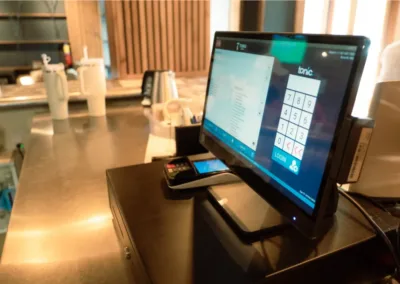
Tighten the order-to-kitchen loop. The biggest delays in table turnover usually happen between when a guest is ready to order and when that order reaches the kitchen. A POS system that lets servers fire orders from a handheld or tableside, instead of walking back to a terminal, can save real time during a high-volume rush.
Build a simplified menu for peak days. A shorter, more focused menu keeps kitchen ticket times predictable when volume spikes and helps guests decide faster.
Assign table resets before the rush starts. Decide ahead of time who owns clearing and resetting each section the moment a party leaves. An empty table sitting for ten minutes during a major event is lost revenue that won’t come back that day.
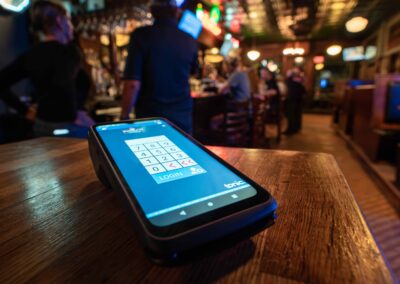
Add pay-at-table options. Waiting for a check, then waiting again for a card to run, is one of the slowest parts of any visit. Letting guests pay from their phone or a handheld terminal can cut that wait significantly on a high-volume day.
Use a waitlist guests can see remotely. Text or app-based waitlist updates keep guests from crowding the host stand and give the front-of-house team room to manage the flow.
Build out an off-premise option ahead of time. During the summer surge, 90 percent of travelers also ordered takeout, delivery, or drive-thru. Having that channel ready ahead of a major event can absorb overflow demand without turning guests away.
Decide Q4 promotions before the season starts. Whether that’s a game-day combo, an early-bird Thanksgiving order discount, or a holiday party package price, having it ready means it can launch the moment demand picks up, instead of getting built during the busiest week of the season.
Audit the online presence now. Eighty-seven percent of people rely on recommendations from family or friends, and 80 percent check online reviews before choosing somewhere new. Once game-day and holiday searches spike, it’s too late to start cleaning up a Google Business Profile, menu, or hours listing.
Plan the Catering and Watch Party Angle Early
Given how many guests turned to restaurants for home gatherings and watch parties this summer, and how much bigger that pattern gets around Thanksgiving and the holidays, it’s worth building these out well ahead of the next rush:
- A simple catering or family-bundle menu, focused on sides, mains, desserts, and drinks, the categories guests were most likely to order for a home gathering
- Clear order-by deadlines for holiday catering, promoted well before Thanksgiving week
- Clear signage or a menu callout for game-day and event-day specials, since interest in restaurant watch parties was strongest among younger adults, families with kids, and men
- A to-go and catering ordering process that runs separately from the dine-in kitchen queue during peak hours, so orders come in on a set timeline instead of clogging the phone line during the busiest prep days
Staff Ahead of the Trend, Not Behind It
Word of mouth did a lot of the marketing work this summer. Eighty-seven percent of travelers said they relied on recommendations from family or friends when trying a new restaurant. A smooth, well-staffed shift during one event can turn into new regulars showing up for the next one. Pull historical data from past events or holiday weekends to staff ahead of demand. If a POS system tracks daily sales and peak-hour patterns, that history can guide scheduling for the next major event on the calendar, whether it’s weeks or months out.
The rush is predictable. Football season, Halloween, Thanksgiving, and the holidays show up on the calendar every year, the same way summer travel and major events did this year. The only question is whether a restaurant is prepping for them in advance or reacting once they arrive. Tonic’s restaurant POS is built to help orders move faster from table to kitchen to close, with the reporting, scheduled promotions, and streamlined ordering to plan ahead, hit the goals for the season, and walk into Q4 ready instead of behind.
Source: National Restaurant Association, “2026 Summer Travel & Dining Trends: Key Developments Shaping Restaurant Demand,” June 2026. Based on a survey of 1,003 U.S. adults fielded May 1-3, 2026. Full report available at Restaurant.org/research.